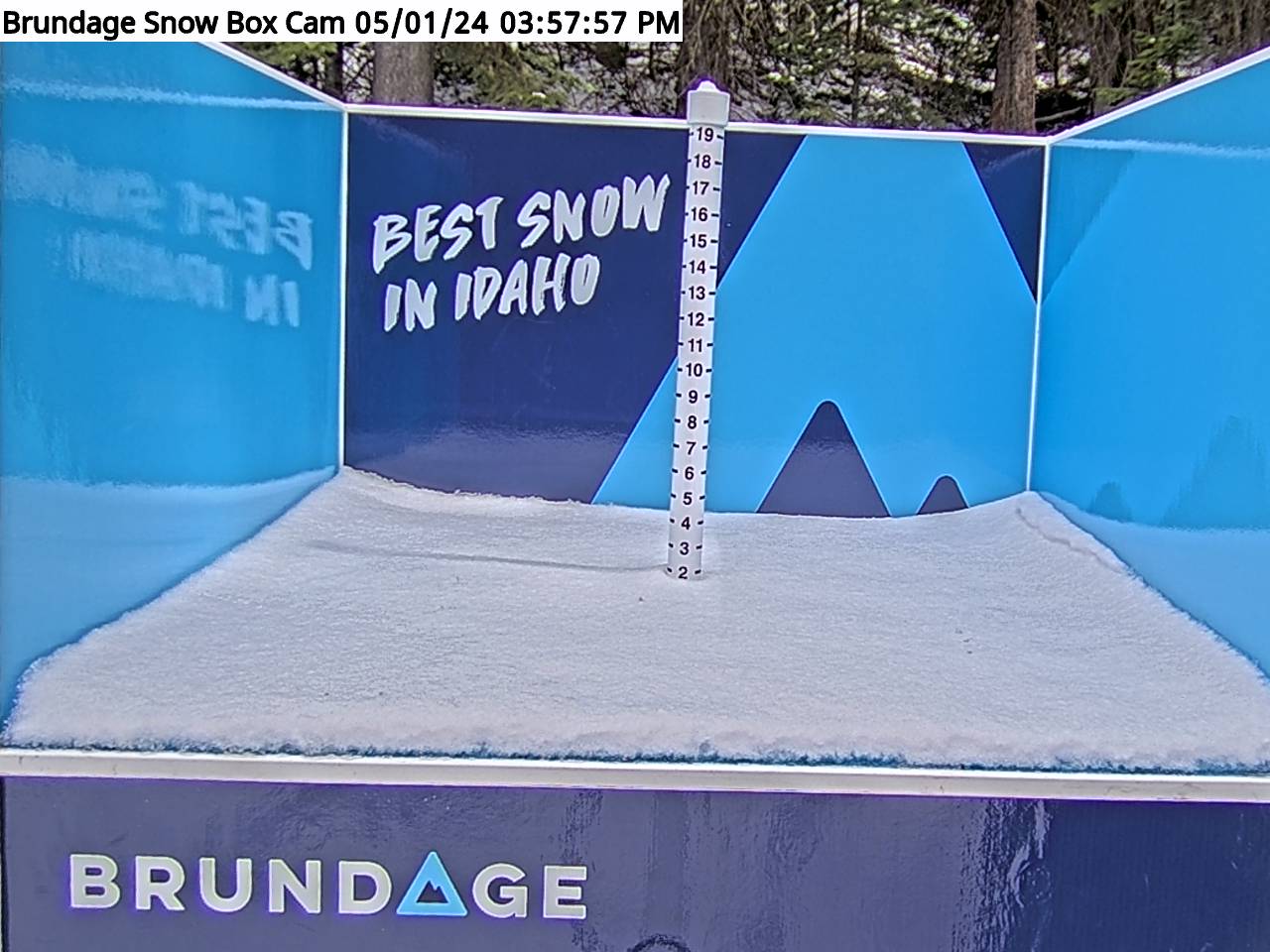
Base Area Snow Cam
Elevation: 6050’ - Brundage Base Area. This box will be cleared daily at 4:00 pm. Click image for larger view.
 Menu Toggle
 Open
Open
Open
Open


 Brundage Mountain’s 320+ inches of annual snowfall significantly exceeds other Idaho ski resorts due to unique geographic positioning and elevation advantages. 18,000 acres of guided snowcat terrain provides backcountry powder access without traditional avalanche risks or helicopter skiing costs. Two-hour Boise accessibility becomes irrelevant when considering superior snow quality and authentic mountain experience. Deliberate resistance to over-development preserves the genuine ski experience that mega-resorts have abandoned Brundage connects skiers with mountain adventure. Brundage Mountain Resort averages more than 320 inches of base area snowfall annually, surpassing Bogus Basin’s 210 inches and Sun Valley’s 220 inches by 45-50%.
The conventional wisdom about ski resort selection is fundamentally flawed. Most skiers chase brand names and Instagram locations, missing the critical factors that actually determine snow quality. At Brundage Mountain, two distinct geographical advantages converge to create exceptional powder conditions that outperform more famous destinations.
 First, the resort’s position at 45 degrees north latitude places it directly in the path of Pacific moisture streams that other Idaho ski areas miss entirely. When storm systems move inland from the Pacific, they hit Brundage’s west-facing slopes with full force, delivering consistent snowfall throughout the winter months. The resort recorded 353 inches of total snowfall in the 2024/25 season, demonstrating this pattern’s reliability year after year.
Second, elevation plays a crucial role that most casual skiers overlook. Brundage’s base sits at 5,840 feet, with the summit reaching 7,803 feet. This sweet spot maintains cold temperatures without reaching the extreme elevations that create wind-scoured, icy conditions. The 1,921-foot vertical drop provides diverse terrain while keeping snow quality consistent from top to bottom, something larger resorts often struggle to achieve.
Here’s the critical distinction most Idaho ski resort comparisons miss: total snowfall doesn’t tell the whole story. Sun Valley receives approximately 220 inches annually, but its southern exposure and lower base elevation create vastly different snow preservation conditions. Brundage Mountain’s northern aspects and dense forest coverage protect powder from sun and wind degradation.
 The data reveals a compelling pattern. While Sun Valley attracts international attention and celebrity visitors, Brundage quietly accumulates 45% more annual snowfall. This isn’t just about quantity; it’s about quality and preservation. February consistently delivers the heaviest snow at Brundage, with 102 inches in 2024/25 and historical highs reaching 152 inches in a single month. During these peak periods, the resort’s tree skiing areas maintain untracked powder for days after storms, while Sun Valley’s exposed terrain gets tracked out within hours.
This reveals why seasoned Idaho skiers maintain a calculated silence about Brundage. They understand that reputation and snow quality operate on entirely different metrics. The resort’s relative obscurity becomes its greatest asset, preserving both powder conditions and the authentic ski experience that larger resorts have sacrificed for profit margins.
Traditional ski planning follows predictable patterns that create predictable problems. Holiday weeks bring crowds, spring breaks bring chaos, and everyone assumes these are the only viable windows for quality skiing. This conventional approach ignores the actual data about optimal snow conditions and visitor patterns at Idaho ski resorts.
February emerges as the undisputed champion month at Brundage Mountain. The numbers support this definitively: 102 inches of snowfall in February 2024/25, with consistent patterns showing this month delivering the deepest base and most frequent powder days. Smart skiers plan their Brundage trips for mid-February, after the President’s Day crowds but before spring break migrations begin.
March offers a different opportunity that most skiers overlook entirely. While base depths remain substantial, warming temperatures create ideal spring skiing conditions. The combination of longer days, softer snow, and reduced crowds makes March particularly attractive for families and intermediate skiers exploring Brundage’s 70 named trails. The resort’s trail distribution (21% easiest, 33% more difficult, 46% most difficult) means there’s always appropriate terrain regardless of conditions.
The conversation about backcountry skiing typically revolves around avalanche risk and extreme terrain. But Brundage Mountain has engineered a different solution that provides backcountry powder access without the traditional dangers. Their 18,000 acres of guided snowcat terrain represents one of North America’s largest cat skiing operations, yet it remains largely unknown outside expert circles.
This isn’t helicopter skiing’s astronomical expense or ski touring’s physical demands. Snowcat access provides a middle ground that delivers untracked powder, spectacular terrain variety, and professional guide expertise at a fraction of heli-skiing costs. The guided experience includes avalanche safety equipment, expert route selection, and small group sizes that ensure quality turns rather than competition for fresh lines.
The snowcat terrain extends well beyond the resort’s boundaries, accessing gladed forests, open bowls, and ridge lines that receive even more snow than the resort’s base area. These zones often accumulate 400+ inches annually, creating conditions that rival any backcountry experience in North America. Yet because it requires advance booking and additional investment, these areas maintain their pristine character throughout the season.
Most skiers check weather forecasts without understanding the underlying patterns that create superior snow conditions. At Brundage Mountain, specific meteorological phenomena create predictable powder cycles that informed skiers exploit systematically. The resort sits in a unique convergence zone where Pacific moisture meets continental cold air masses.
When  low pressure systems approach from the northwest, they encounter the Salmon River Mountains before reaching Brundage. This orographic lift forces moisture-laden air upward, causing rapid cooling and intense snowfall on Brundage’s slopes. The process typically delivers 12 to 24 inches within 24 hours, with some systems producing up to 36 inches. These aren’t the heavy, wet storms that plague coastal resorts but cold, dry powder that Idaho skiing enthusiasts prize above all else.
Temperature inversions present another misunderstood phenomenon that actually benefits Brundage skiers. While valley locations experience fog and freezing rain, the resort’s elevation places it above the inversion layer in cold, clear air. This creates spectacular bluebird powder days when lower elevations remain socked in clouds. Understanding these patterns allows strategic trip planning that dramatically increases your chances of scoring epic conditions.
The traditional resort terrain discussion focuses on trail counts and acreage statistics. These metrics miss the fundamental question: can you find untracked snow days after a storm? At Brundage Mountain, the answer differs dramatically from mega-resorts where powder disappears within hours of opening.
The resort’s 70 named trails spread across 1,500 acres of lift-served terrain, but the real story lies in how this terrain functions. Dense forest coverage creates thousands of tree skiing lines between marked trails. These gladed areas, particularly on the backside of the mountain, maintain fresh snow for days after storms. Local skiers have identified hundreds of secret stashes that never appear on trail maps, creating a treasure hunt mentality that rewards exploration over speed.
Advanced skiers gravitate toward the 46% of terrain rated most difficult, including legendary runs like Hidden Valley and Engen’s Run. But here’s what the trail ratings don’t reveal: Brundage’s “most difficult” terrain includes everything from steep groomers to cliff bands and tight trees. This variety means expert skiers never exhaust the possibilities, while intermediate skiers can progressively challenge themselves without facing mandatory exposure or extreme consequences.
The accessibility question reveals a fundamental misunderstanding about ski resort value propositions. Yes, Brundage Mountain sits 100 miles north of Boise, requiring a two-hour drive versus Bogus Basin’s 16 miles. But this comparison ignores the quality differential that makes the extra drive time irrelevant for serious skiers.
The drive itself becomes part of the experience rather than an obstacle. Highway 55 follows the Payette River through pristine Idaho wilderness, offering scenic views that interstate corridors to other resorts can’t match. McCall provides a genuine mountain town base that hasn’t been destroyed by commercial development. Hotels, restaurants, and amenities maintain reasonable prices because they serve locals year-round rather than extracting maximum profit from tourist seasons.
Weekend warriors from Boise have developed efficient systems for maximizing their Brundage Mountain experience. Many arrange Friday afternoon departures, allowing three full ski days before Sunday evening returns. Others invest in McCall season rentals, sharing costs among multiple families to create affordable base camps. These strategies recognize that skiing quality matters more than proximity when evaluating true value.
February at Brundage Mountain represents the convergence of optimal factors that create exceptional ski conditions. The data supports this conclusively: February consistently delivers the heaviest snow, with 102 inches in 2024/25 and historical patterns showing similar accumulations annually. But raw snowfall only tells part of the story.
Cold temperatures in February preserve snow quality better than any other month. January’s arctic air creates rock-hard surfaces, while March begins the freeze-thaw cycles that produce variable conditions. February maintains the perfect balance: cold enough to preserve powder but warm enough for comfortable skiing. The sun angle remains low enough to prevent south-facing deterioration while providing adequate daylight for full ski days.
Crowd dynamics in February create additional advantages that amplify the powder experience. The month falls between winter break chaos and spring break invasions, meaning lift lines remain minimal even on powder days. This combination of maximum snowfall, optimal preservation, and minimal crowds makes February the intelligent choice for planning your Brundage Mountain ski trip.
 The commercialization of skiing has destroyed what originally made the sport special. Mega-resorts transformed into real estate developments with ski slopes attached. Lift tickets reached astronomical prices that exclude middle-class families. The authentic ski experience became a marketed commodity rather than a genuine reality. Brundage Mountain represents the antithesis of this degradation.
The resort’s ownership structure and operational philosophy prioritize skiing over profit maximization. Limited on-mountain lodging prevents the real estate speculation that drives prices at destination resorts. The absence of high-speed detachable lifts might seem like a disadvantage, but it naturally limits daily skier visits, preserving both snow quality and mountain character. These aren’t accidental oversights but deliberate choices that maintain what skiing should be.
Local management and staff create a community atmosphere that vanished from corporate resorts decades ago. Ski patrollers know regular visitors by name. Lift operators share powder stash locations with respectful skiers. The mountain operates as a cooperative enterprise where everyone shares the common goal of exceptional skiing rather than revenue optimization. This cultural difference profoundly impacts every aspect of the ski experience.
The future of Brundage Mountain presents a critical inflection point between preservation and progress. Recent infrastructure improvements, including lodge renovations and lift upgrades, demonstrate commitment to enhancing the ski experience without sacrificing character. But the real question isn’t what’s planned but what won’t happen.
The resort has explicitly rejected the development model that destroyed other ski areas. No massive base village complexes. No real estate speculation. No transformation into a four-season amusement park. Instead, targeted improvements focus on what actually matters: snow quality, terrain access, and skier services. The Brundage Mountain masterplan emphasizes sustainable operations that preserve the experience for future generations rather than extracting maximum short-term profit.
Climate adaptation strategies reveal sophisticated understanding of long-term challenges. Investments in snowmaking focus on critical early-season terrain rather than attempting full-mountain coverage. Forest management practices maintain the tree skiing that differentiates Brundage from exposed resorts. These decisions reflect recognition that authentic ski experiences become more valuable as they become rarer.
Elevation: 6050’ - Brundage Base Area. This box will be cleared daily at 4:00 pm. Click image for larger view.
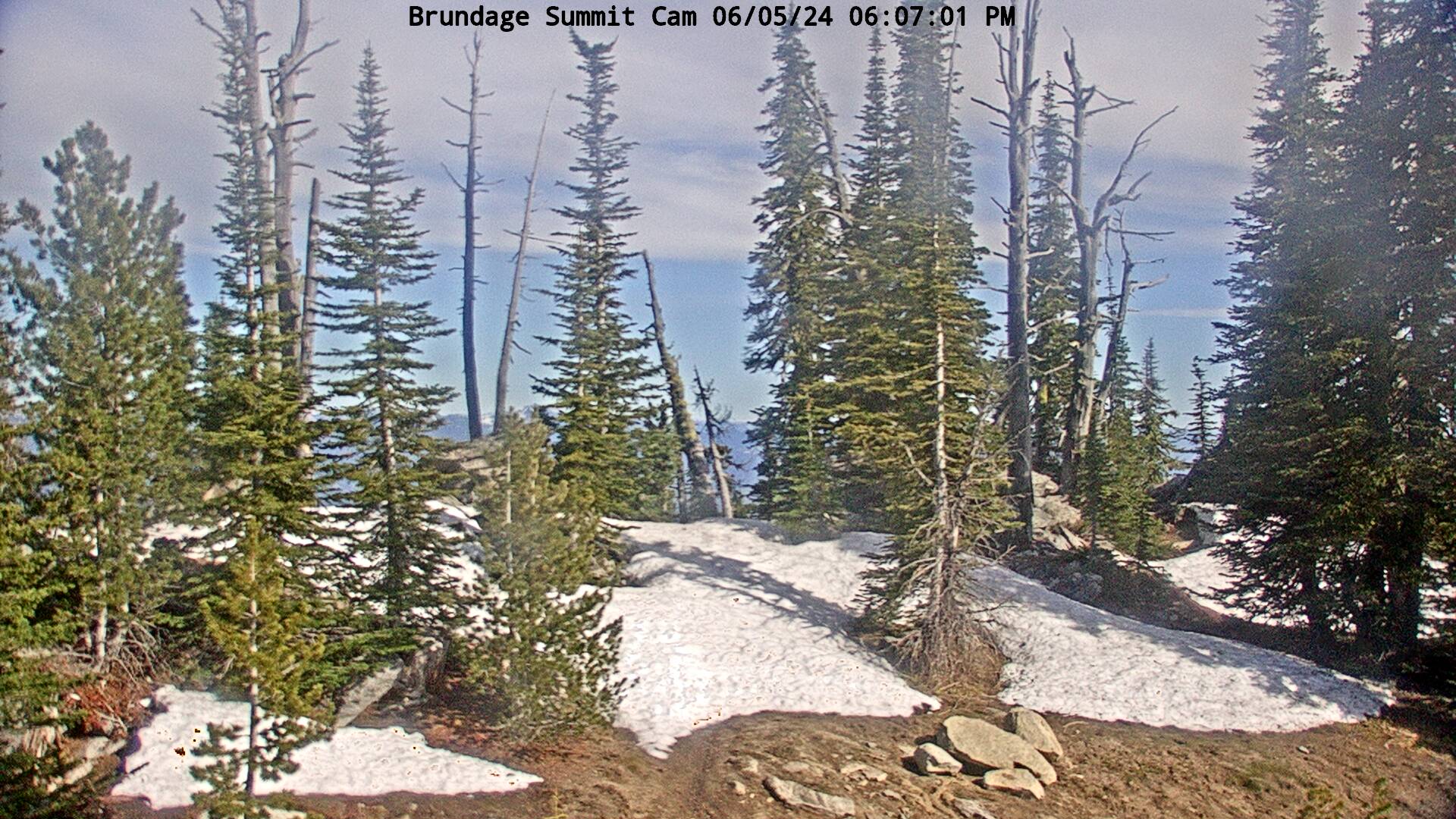
This view is from the top of the Blue Bird Quad, elevation 7640′. View rotates automatically. Click image for larger view.
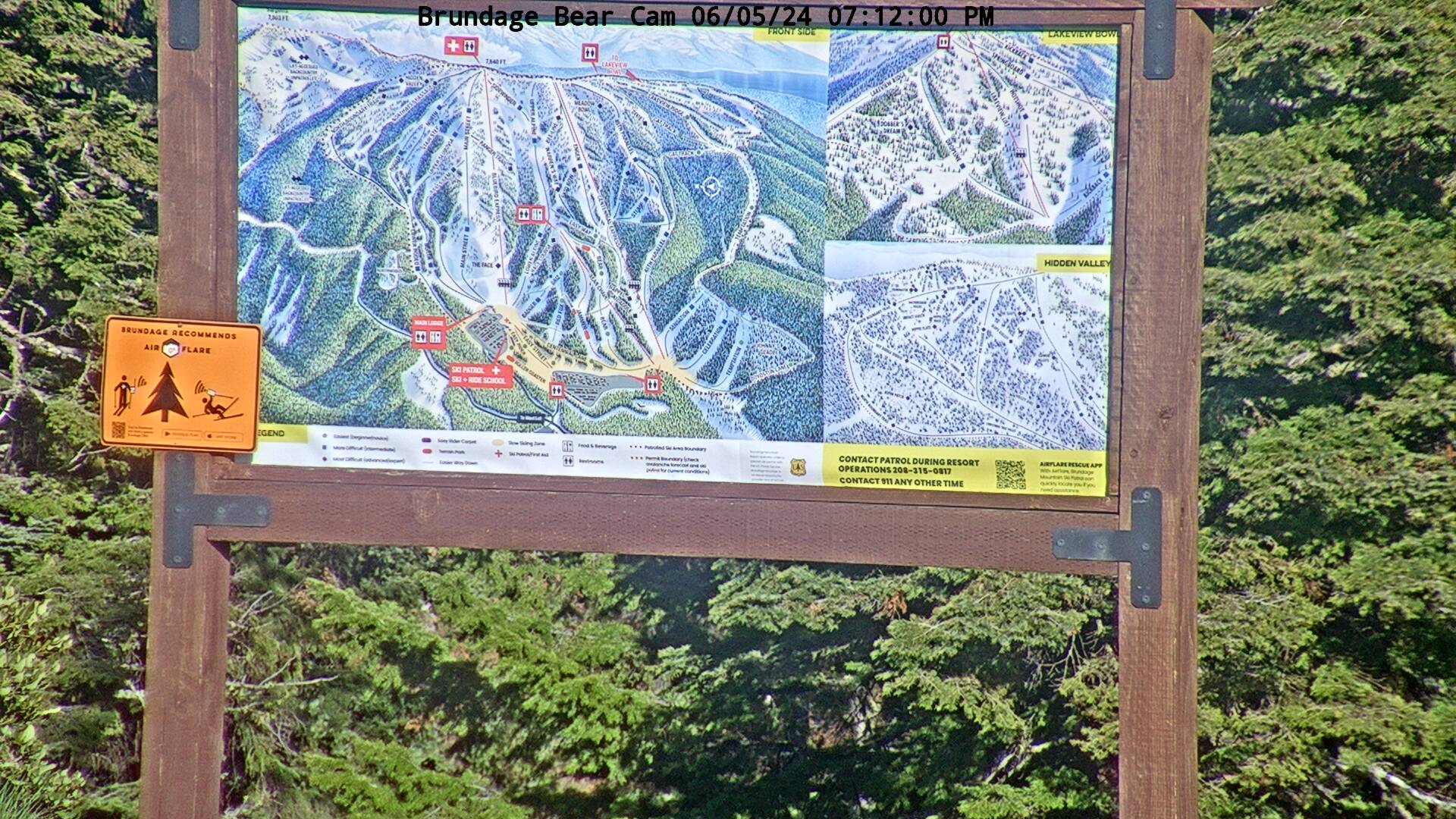
This view is from the top of the Bear Chair, elevation 6490’. View rotates automatically. Click image for larger view.
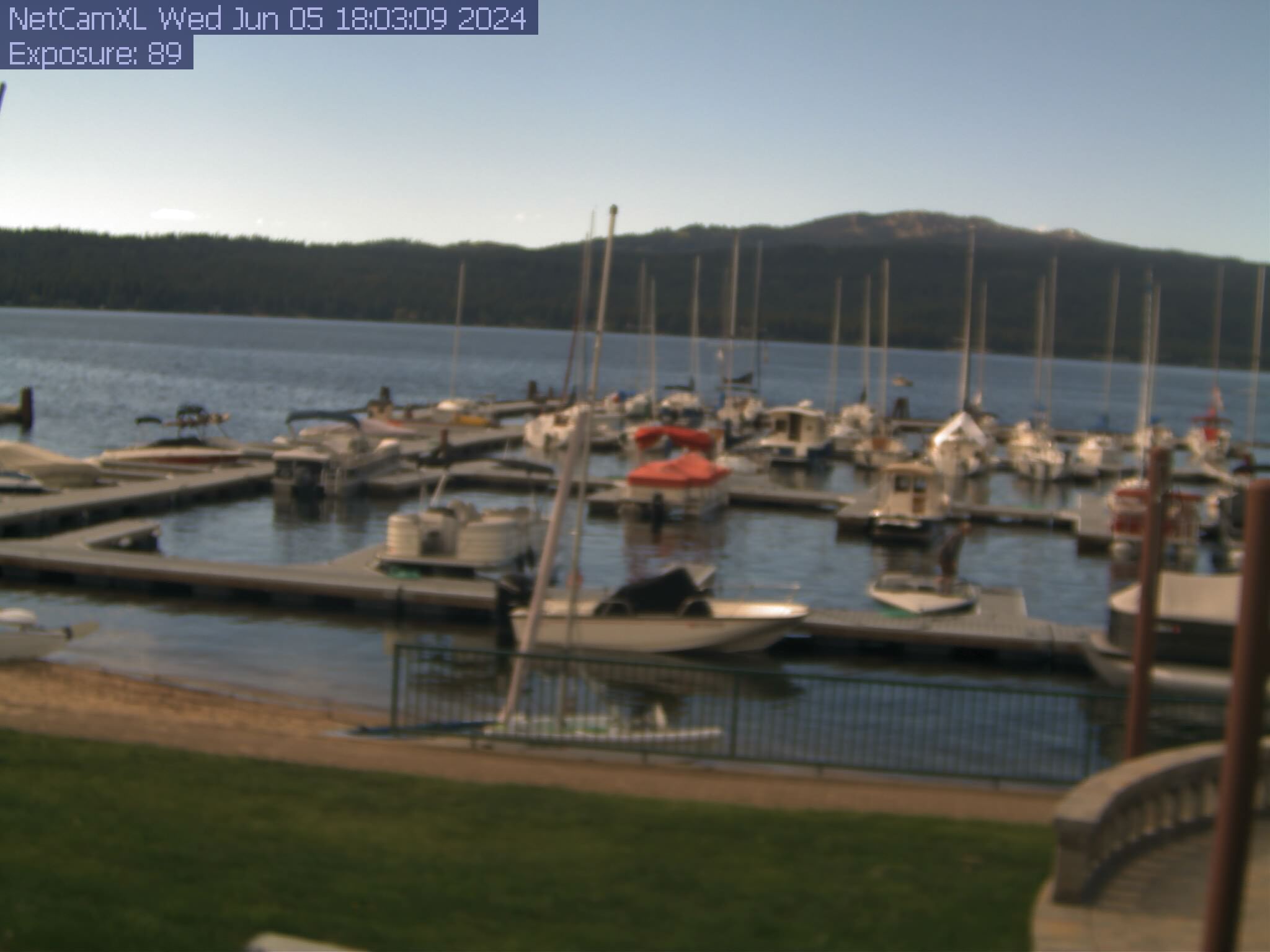
View across Payette Lake towards back side of Brundage from May Marina.