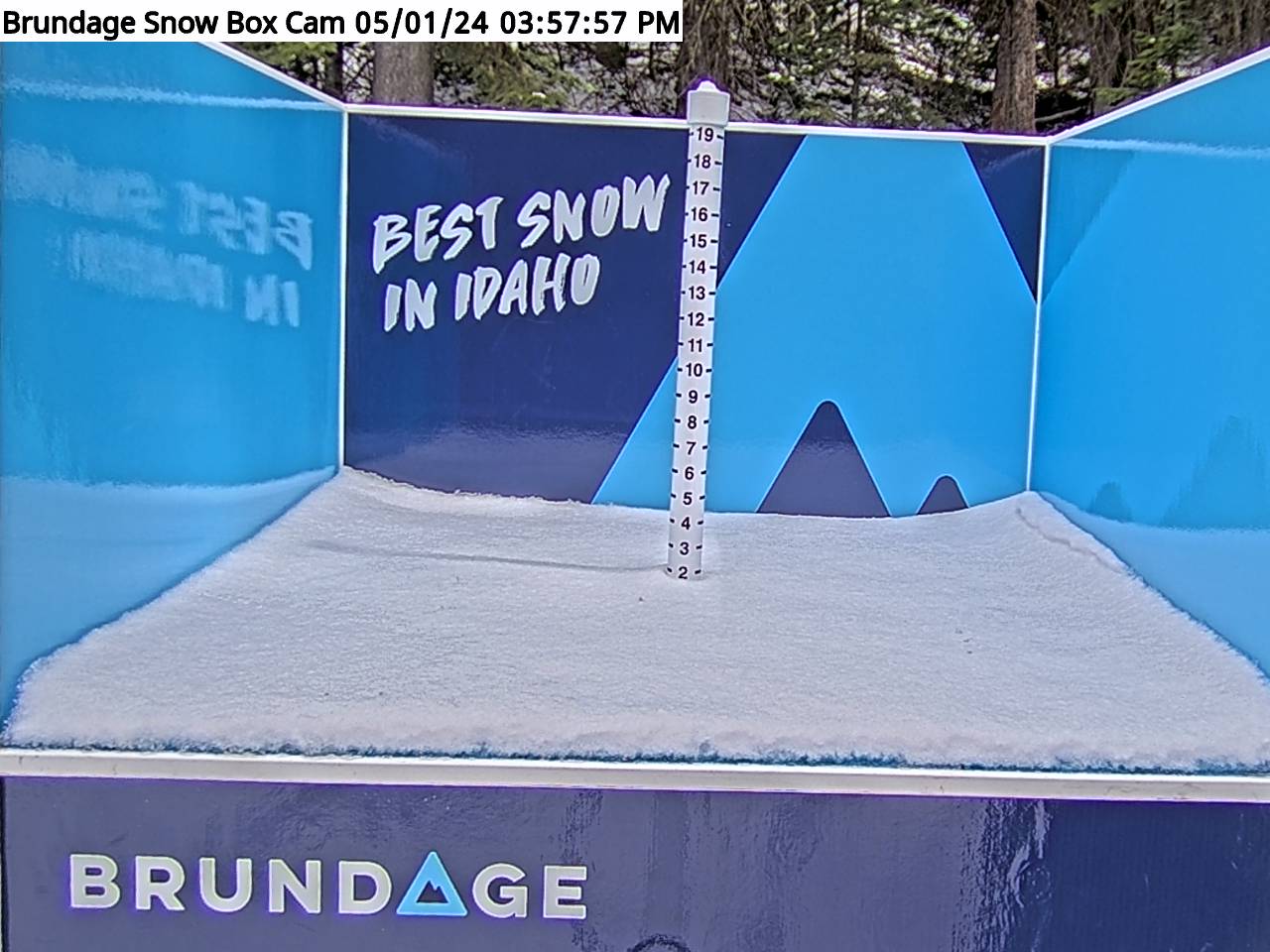
Base Area Snow Cam
Elevation: 6050’ - Brundage Base Area. This box will be cleared daily at 4:00 pm. Click image for larger view.
 Menu Toggle
 Open
Open
Open
Open


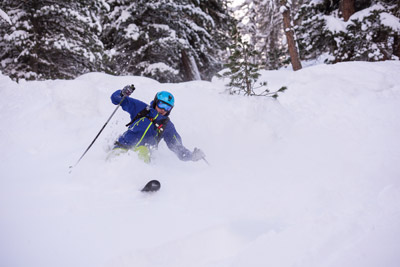 Idaho’s unique position creates consistent 300 to 350 inch snowfall at premier ski resort locations like Brundage Mountain. Elevation specific forecasting reveals different snow conditions across vertical profiles within single mountains. Multiple forecast models combined with ensemble analysis provides highest confidence predictions. Pacific storm tracks and atmospheric river events drive Idaho’s biggest powder cycles. Understanding microclimate effects from inversions and lake influences improves local condition predictions. Recent standout seasons demonstrate Idaho’s continued potential for deep powder despite climate variability. Technology tools from satellite imagery to ground stations enhance forecast accuracy when properly interpreted.
Idaho’s snow patterns reveal a unique meteorological fingerprint that sets it apart from Colorado’s continental snowpack or Utah’s lake effect storms. The state sits at the convergence of multiple storm tracks, creating consistent snowfall patterns that deliver Brundage Mountain its remarkable base area natural snowfall average of about 320 inches each winter. Pacific moisture streams inland, colliding with Idaho’s mountainous terrain to produce what locals call “cold smoke powder.”
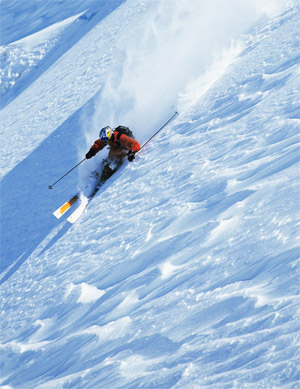 The key distinction lies in snow density and preservation. Idaho snow typically measures between 8% and 12% water content, compared to Sierra cement at 15% or higher. This creates the light, dry powder that defines the Idaho skiing experience. Temperature inversions common in mountain valleys like McCall actually protect snow quality, keeping surfaces cold while valley floors warm.
Storm cycles in Idaho follow predictable patterns that savvy forecasters track religiously. Northwest flow events bring the coldest, driest snow, while southwest patterns deliver higher volume but slightly denser accumulations. Understanding these patterns transforms your ability to predict not just when snow will fall, but what type of snow conditions you’ll encounter.
Brundage Mountain operates in its own microclimate, influenced by Payette Lake’s moderating effect and the surrounding terrain’s orographic lift. Historical snowfall records at Brundage show peak seasons in the 430 inch range, highlighting its reputation for deep, reliable Idaho powder. This consistency stems from the mountain’s optimal positioning relative to incoming Pacific storms.
The mountain’s elevation profile creates distinct forecast zones that experienced riders learn to read. Base area predictions often differ significantly from summit forecasts, with temperature gradients creating varied snow conditions across the 1,800 feet of vertical. During strong inversion events, the summit might receive powder while the base gets rain, making precise elevation specific forecasting crucial.
Local forecasters have identified specific atmospheric patterns that trigger Brundage’s biggest dumps. When the jet stream dips south through Oregon before curving north into Idaho, moisture laden systems stack up against the western slopes. These atmospheric rivers can deliver 80 to 150 inches in a single month, creating the multiple storm cycle windows that define exceptional seasons.
 Professional meteorologists use multiple forecast models to predict Idaho snowfall, each with distinct strengths and limitations. The NAM model excels at short range predictions within 48 hours, while the GFS provides broader pattern recognition up to two weeks out. Understanding model consensus versus divergence helps identify high confidence versus uncertain forecasts.
Elevation becomes the critical variable when interpreting forecast data for mountain locations. A forecast showing 6 inches at valley level might translate to 18 inches at summit elevations, following typical 3:1 ratios for orographic enhancement. Snow levels, the elevation where rain transitions to snow, fluctuate dramatically during storms and determine accumulation zones.
Timing predictions require careful analysis of model trends rather than single runs. When multiple forecast cycles consistently show a storm arriving Tuesday night, confidence increases. However, even 24 hour timing shifts can mean the difference between weekday powder and weekend crowds, making trend analysis essential for trip planning.
The most productive snow patterns for Idaho emerge when low pressure systems track through the Pacific Northwest before dropping southeast. These storms tap into subtropical moisture streams while maintaining cold enough temperatures for quality snow production. Typical annual snowfall at Brundage falls in the 300 to 350 inch range, delivered primarily through these classic northwest flow events.
Atmospheric river events represent another powder delivery mechanism, though they require precise temperature profiles for optimal snow quality. When freezing levels stay below 6,000 feet, these moisture highways can deposit feet of snow in single storm cycles. The challenge lies in predicting freezing level fluctuations that determine snow versus rain at various elevations.
Cold frontal passages following warm sectors create the dramatic temperature drops that lock in powder conditions. These transitions often bring the lightest, driest snow as arctic air masses filter south through British Columbia. Recognizing these patterns in forecast models helps identify not just snow quantity but quality predictions days in advance.
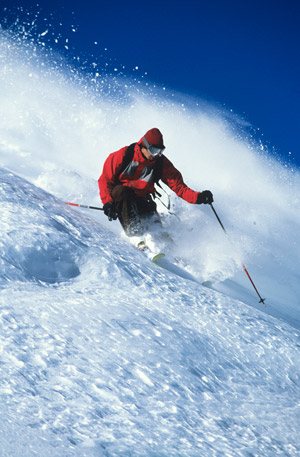 Elevation drives everything in mountain snow forecasting, creating distinct climate zones within single resorts. At Brundage Mountain, the base at 5,840 feet receives different snow characteristics than the summit at 7,640 feet. Temperature gradients of 3.5 degrees per thousand feet mean summit snow stays colder, drier, and better preserved than base area accumulations.
Mid mountain zones between 6,500 and 7,000 feet often provide the sweet spot for snow preservation and accessibility. These elevations stay cold enough to maintain powder through temperature fluctuations while avoiding the extreme wind exposure of summit zones. Understanding elevation based microclimates helps identify persistent powder stashes days after storms.
Valley inversions create fascinating snow preservation dynamics unique to Idaho’s topography. When cold air pools in valleys while ridges warm, traditional elevation rules reverse. These inversions can preserve low elevation powder while sun and wind affect higher terrain, creating counterintuitive conditions that surprise visitors unfamiliar with Idaho weather patterns.
Modern snow forecasting combines traditional meteorology with advanced technology platforms that aggregate multiple data sources. NOAA weather stations scattered throughout Idaho mountains provide real time temperature, wind, and precipitation data that feeds forecast models. These ground truth observations calibrate predictions and reveal microclimatic variations.
Satellite imagery and radar systems track incoming storms hours to days before arrival. Water vapor imagery shows atmospheric moisture streams, while radar reveals precipitation intensity and type. Learning to interpret these tools transforms your forecasting capability from passive consumption to active analysis.
Ensemble forecasting represents the cutting edge of prediction science, running multiple model variations to quantify uncertainty. When 20 different model runs show similar outcomes, confidence soars. Divergent ensemble members indicate lower confidence scenarios requiring continued monitoring. Professional forecasters rely heavily on ensemble analysis for extended range predictions.
Recent seasons have seen standout snow months with 80 to 150 inches falling in a single month, creating multiple storm cycle windows ideal for powder focused trips. These periodic abundance cycles follow broader climate oscillations that influence Pacific storm tracks. La Niña winters typically favor northern Idaho with above average snowfall, while El Niño patterns show more variability.
Long term climate data reveals gradual shifts in snow timing rather than total accumulation changes. Peak snowfall months have shifted slightly later, with March increasingly rivaling January for monthly totals. In strong seasons, Brundage surpasses the 300 inch benchmark by March, delivering sustained soft snow conditions for late winter adventures.
Year to year variability remains substantial, with feast or famine patterns characterizing individual seasons. The 430 inch seasons create the legends, while 250 inch years test patience. Understanding this natural variability helps set realistic expectations while appreciating exceptional seasons when they arrive.
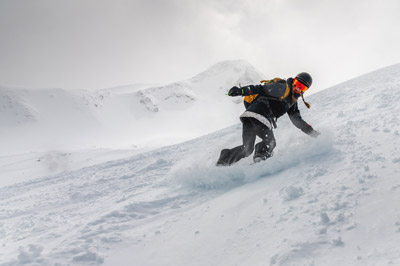 Geographic position relative to storm tracks determines snowfall distribution across Idaho regions. Northern Idaho benefits from Canadian cold fronts, central Idaho catches Pacific storms, and eastern ranges see spillover from systems crossing the continental divide. Each region requires distinct forecast interpretation based on predominant weather patterns.
Drive time and road conditions factor heavily into powder day planning. Interstate 84 and Highway 55 serve as primary arteries, but mountain passes create bottlenecks during storm cycles. Checking road forecasts becomes as important as snow predictions, particularly for weekend warriors traveling from Boise.
Accommodation availability fluctuates dramatically based on forecast confidence. When models converge on major storm predictions five days out, lodging disappears quickly. Flexible travelers who monitor forecasts and book last minute often score the best combinations of fresh snow and available lodging.
Pattern recognition separates amateur forecasters from seasoned powder hunters. Watching jet stream positions reveals storm potential days before specific predictions emerge. When the jet drops south through California before curving north, Idaho enters the target zone for significant snowfall.
Upstream observations provide early warning for approaching systems. Weather stations in Oregon and Washington reveal storm characteristics before they reach Idaho. Precipitation rates, temperatures, and wind patterns at upstream locations help calibrate expectations for local impacts.
Pressure patterns tell the larger story driving individual storms. Strong pressure gradients between Pacific highs and inland lows accelerate storm movement and intensity. Watching pressure trends helps identify both storm timing and potential intensity changes during approach.
 Avalanche awareness becomes paramount when pursuing powder in Idaho’s backcountry terrain. While resort boundaries provide controlled environments, understanding basic avalanche principles helps interpret conditions even within ski area boundaries. Recent storm totals, wind loading, and temperature patterns all influence stability.
Road conditions during and after storms require careful planning and proper vehicle preparation. Chain requirements, visibility restrictions, and closure possibilities all factor into travel decisions. Checking multiple sources for road conditions prevents dangerous situations and unexpected delays.
Weather windows between storms provide optimal travel timing for mountain access. Planning arrivals during clear periods and departures before incoming systems reduces risk and improves trip quality. Understanding forecast confidence helps identify these windows days in advance.
Elevation: 6050’ - Brundage Base Area. This box will be cleared daily at 4:00 pm. Click image for larger view.
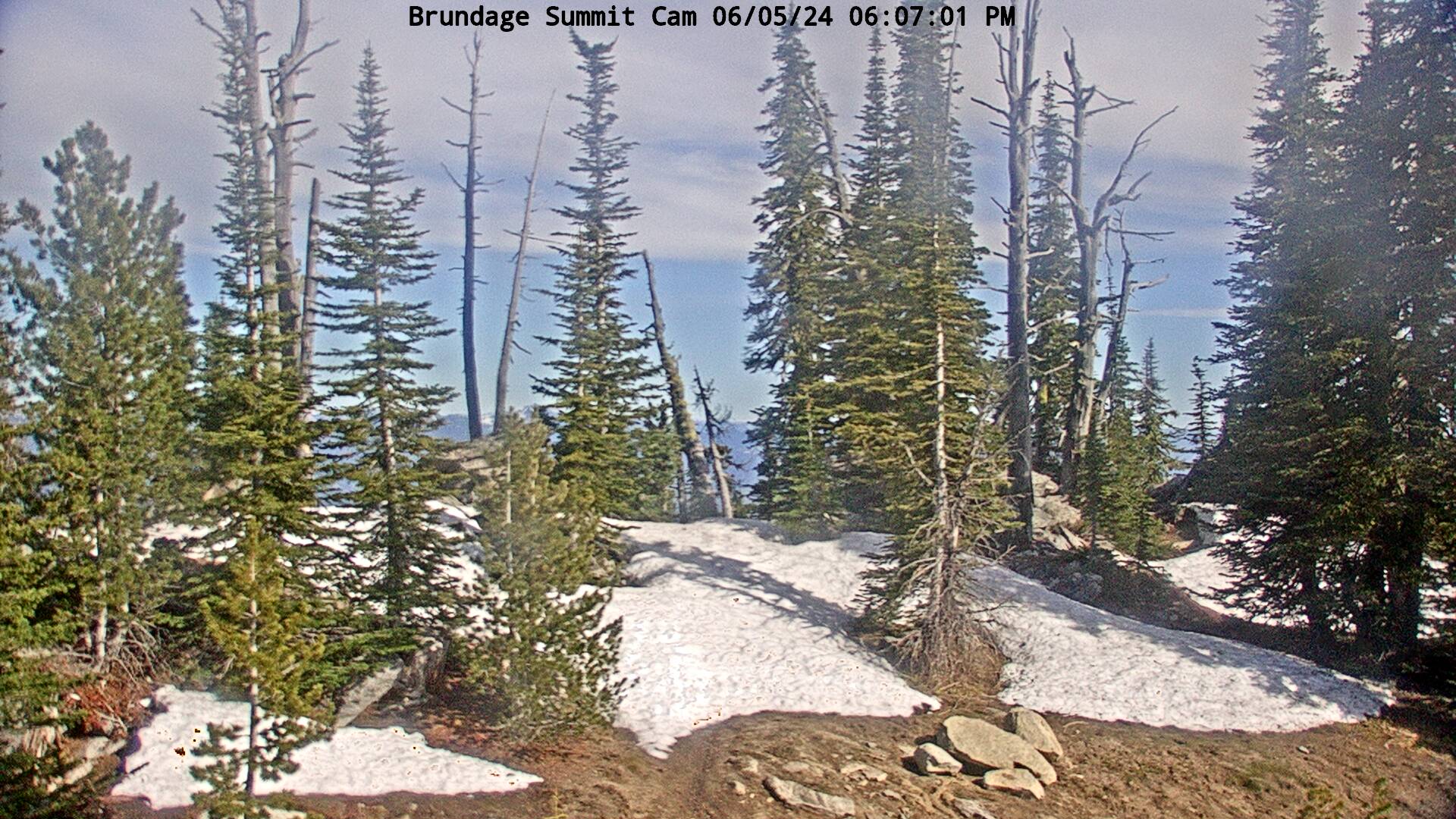
This view is from the top of the Blue Bird Quad, elevation 7640′. View rotates automatically. Click image for larger view.
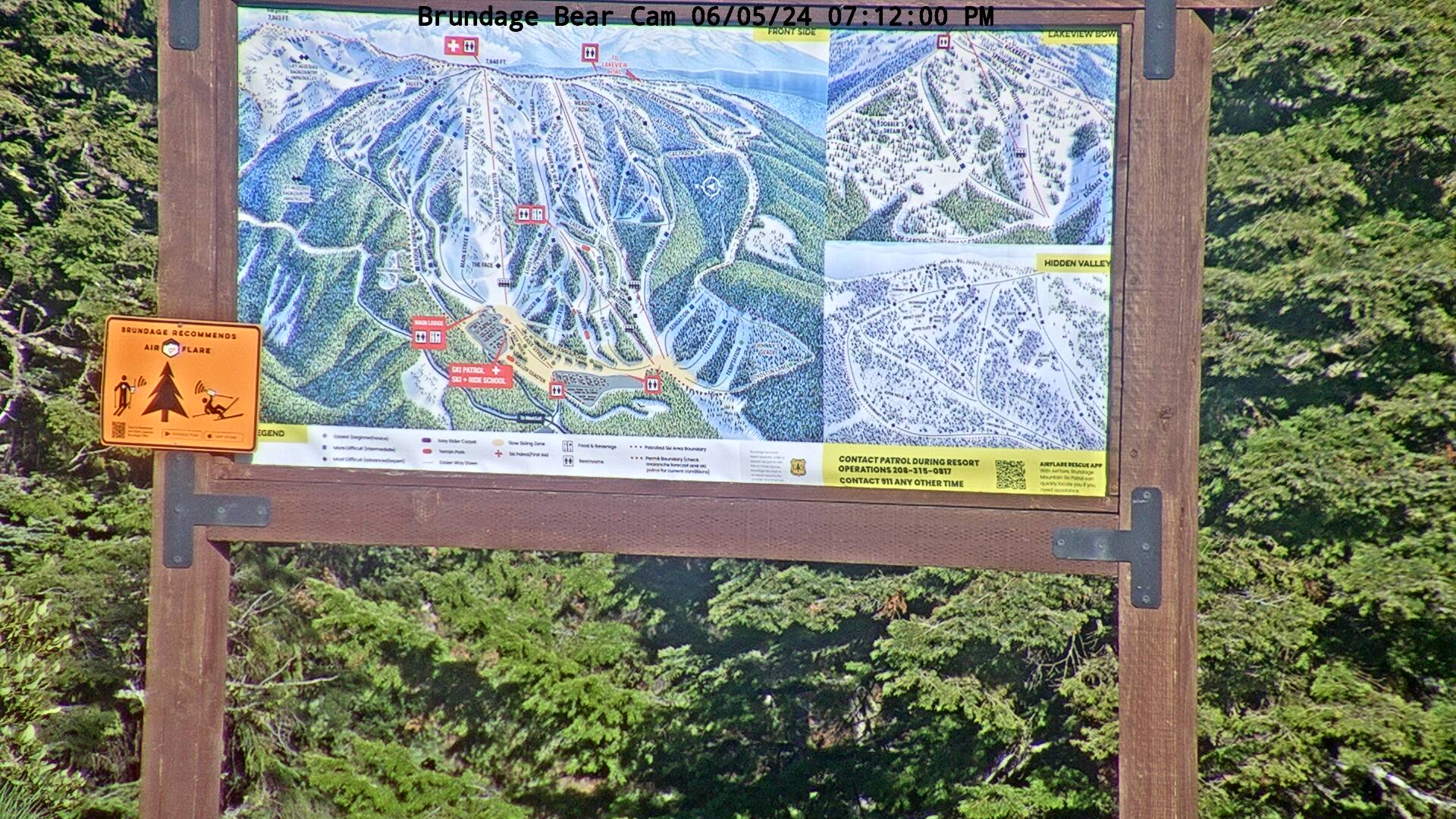
This view is from the top of the Bear Chair, elevation 6490’. View rotates automatically. Click image for larger view.
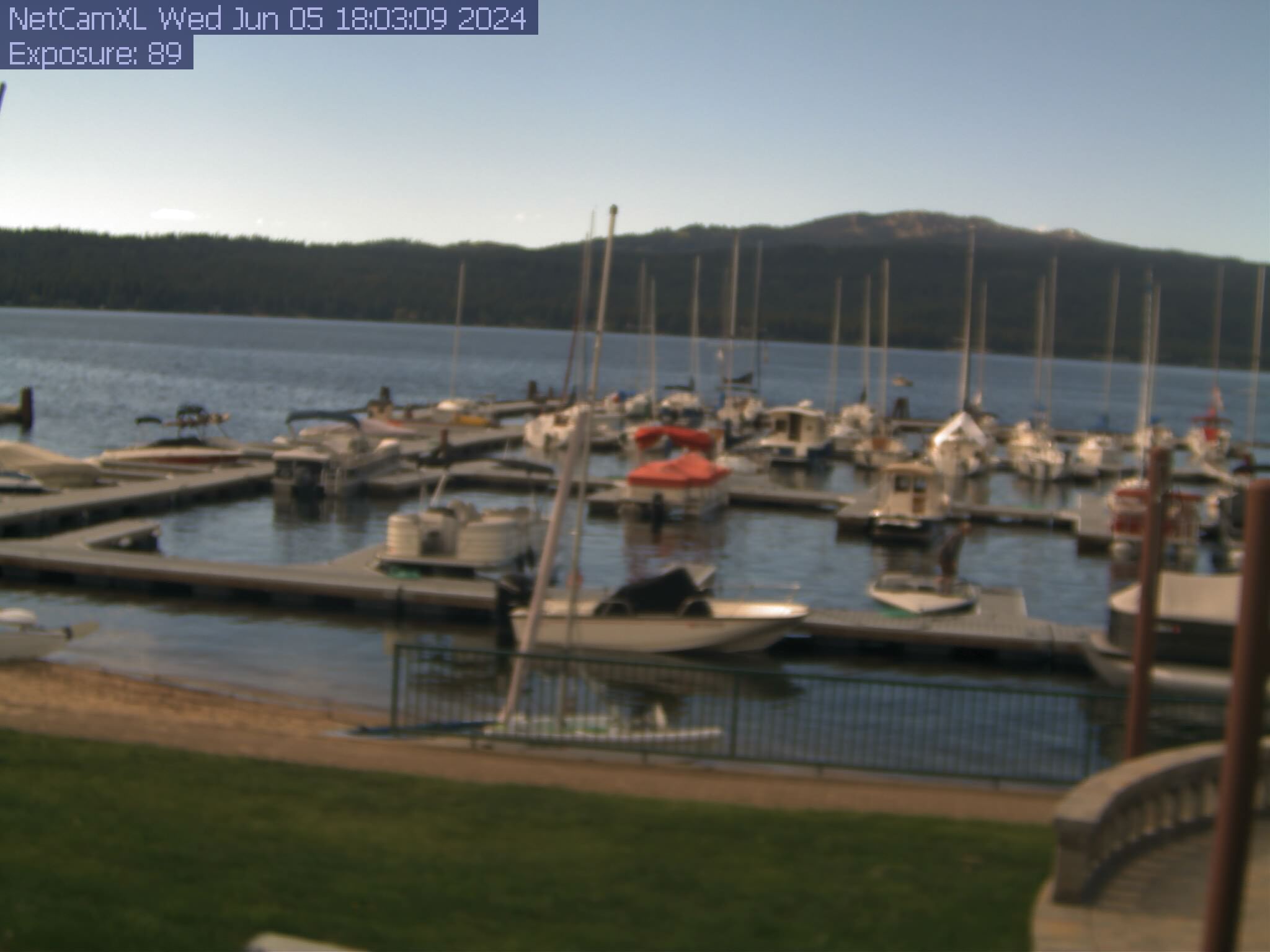
View across Payette Lake towards back side of Brundage from May Marina.